How to Revive Matted Artificial Turf at Home
Moved into a home with tired, matted turf? Learn how we clean, groom, and maintain artificial grass so it looks fresh and stands tall again.
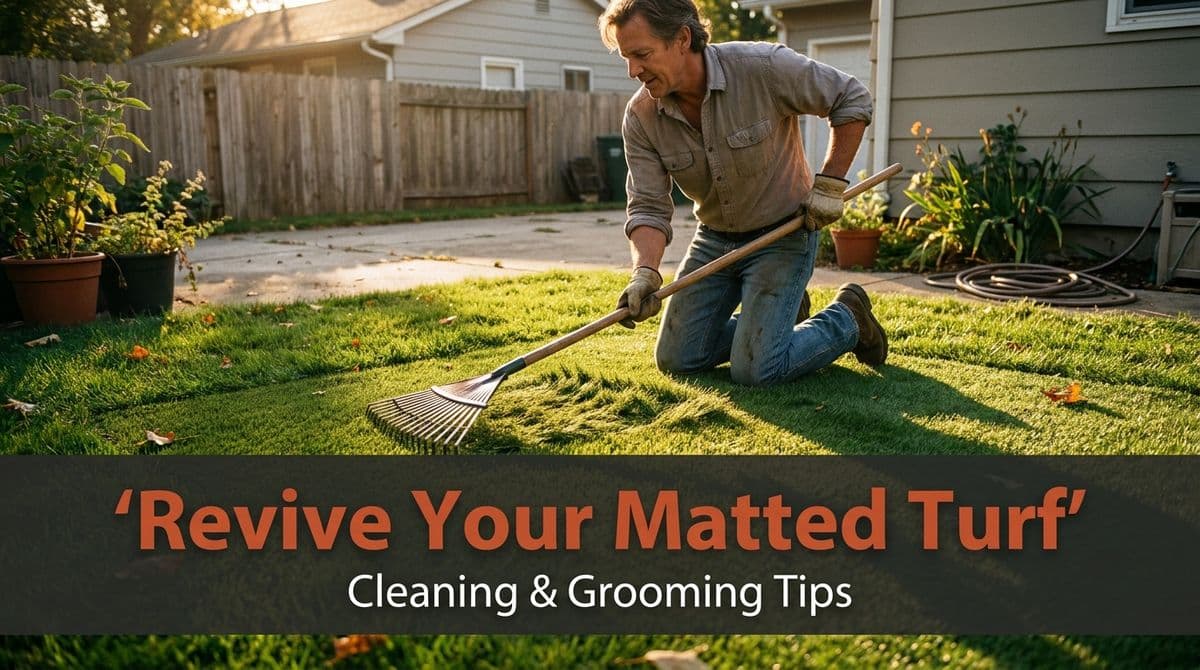
How We Help Homeowners Revive Matted Artificial Turf
We recently got a call from a homeowner — let's call her Sarah — who had just moved into a new home with artificial turf. She told us, “We don’t have any dogs, but the turf is really matted. It just looks tired, and it’s bugging me every time I look outside.”
That situation sounded very familiar. The previous owners had a dog area separate from the turf, so there weren’t major odor issues, but the grass fibers were laying flat and the yard had lost that fresh, upright look. Sarah wanted to schedule a professional clean in a couple of months, after the rainy season calmed down — but in the meantime, she wanted to understand what could be done to bring the turf back to life and keep it that way.
We thought this would be a great chance to walk through how we approach matted turf, and what homeowners can do themselves between professional visits.
Why Artificial Turf Gets Matted in the First Place
The first questions we asked Sarah were simple: “Any dogs using the turf? How heavily is the area used? Is it just matted, or are there stains and odors too?” Even with no pets on the turf, heavy use and weather can flatten fibers over time.
Common causes of matted artificial turf include:
- Foot traffic: Kids playing, gatherings, or a common walking path across the lawn.
- Furniture and equipment: Chairs, fire pits, grills, and kiddie pools sitting in the same spot for long periods.
- Weather: Heavy rains and strong winds can push infill around and lay fibers down.
- Lack of grooming: Turf that never gets brushed or fluffed will naturally stay flattened.
The good news we shared with Sarah — and share with all our customers — is that in many cases, matted turf can be revived with proper cleaning, grooming, and maintenance.
Step 1: Basic Cleaning Homeowners Can Do Themselves
Even before we come out for a professional clean, there are a few simple steps homeowners can take to improve the look and hygiene of the turf:
- Rinse off dust and debris: Use a garden hose (not a pressure washer) to rinse the turf. Spray at a slight angle to help lift and separate the fibers while you rinse.
- Spot clean spills: For food or drink spills, use a mild soap-and-water solution and a soft brush. Rinse thoroughly so no residue is left behind.
- Remove organic debris: Leaves, seed pods, and dirt can break down and encourage bacteria and odors. Use a leaf blower or plastic rake to keep the surface clear.
For Sarah, we recommended a simple rinse and debris removal before we arrived. That way, our deeper cleaning and grooming would be even more effective.
Step 2: Grooming Matted Turf Back to Life
The real transformation for matted turf comes from grooming. When we scheduled Sarah’s first treatment, we explained that our service focuses heavily on bringing the blades back upright and redistributing the infill.
If homeowners want to do some light grooming between professional visits, here’s what we suggest:
- Use the right tools: A stiff-bristle push broom, power broom designed for turf, or a plastic rake (never metal) works best.
- Brush against the grain: Identify the direction the fibers are leaning and gently brush in the opposite direction to stand them up.
- Work in sections: Divide the yard into small areas and groom each one thoroughly rather than randomly brushing around.
- Don’t overdo it: Gentle, consistent grooming is better than aggressive scrubbing that can damage fibers.
In our professional service, we use commercial-grade grooming tools to fluff the turf evenly, which often makes older installs look years younger.
Step 3: Deep Cleaning and Enzyme Treatment
For Sarah’s yard, the biggest complaint was appearance, but we still recommended a full cleaning. Even turf that hasn’t been used by pets can harbor bacteria, pollen, and residue from previous owners.
During a professional clean, we typically:
- Inspect the turf and infill: Check for low spots, worn areas, and places where infill is lacking.
- Groom and redistribute infill: This supports the blades and helps keep them standing up.
- Apply a synthetic enzyme cleaner: We spray a turf-safe enzyme that breaks down organic material and helps control bacteria and odors. We often offer a light scent — tropical or peach, for example — that lingers gently for a day or so so homeowners know the product has been applied.
We recommended a quarterly maintenance program for Sarah after her first visit. That schedule helps protect the turf investment, keeps fibers from getting severely matted again, and reduces the risk of bacteria buildup over time.
Ongoing Maintenance Tips to Keep Turf From Matting Again
Once turf has been revived, a few simple habits can keep it looking good between professional treatments:
- Brush high-traffic areas monthly: Pathways, play zones, and around seating areas benefit from regular grooming.
- Rotate furniture: Move chairs, planters, and grills occasionally so they don’t permanently flatten one spot.
- Rinse after dusty or rainy periods: A quick hose-down helps remove fine dust and pollen that can weigh fibers down.
- Schedule routine professional care: A quarterly clean and groom keeps the turf looking consistent and prolongs its life.
When we wrapped up scheduling with Sarah, we let her know we’d verify the square footage on-site, perform a full clean and groom, and then she could decide if a maintenance plan made sense for her. That’s the same approach we take with every homeowner: revive the turf first, then help keep it looking great.
Wondering If Your Matted Turf Can Be Saved?
If you’re staring at flat, tired-looking artificial grass and wondering if you need to replace it, there’s a good chance a thorough clean and professional grooming can bring it back. With the right tools, a turf-safe enzyme treatment, and a regular maintenance routine, most matted lawns can be revived and protected for years to come.
If you’re not sure where to start, we’re always happy to take a look, give an honest assessment, and recommend the best plan to get your turf standing tall again.